
Understanding Race Across Cultures – Education, Leadership and the Courage to Engage
28th January 26
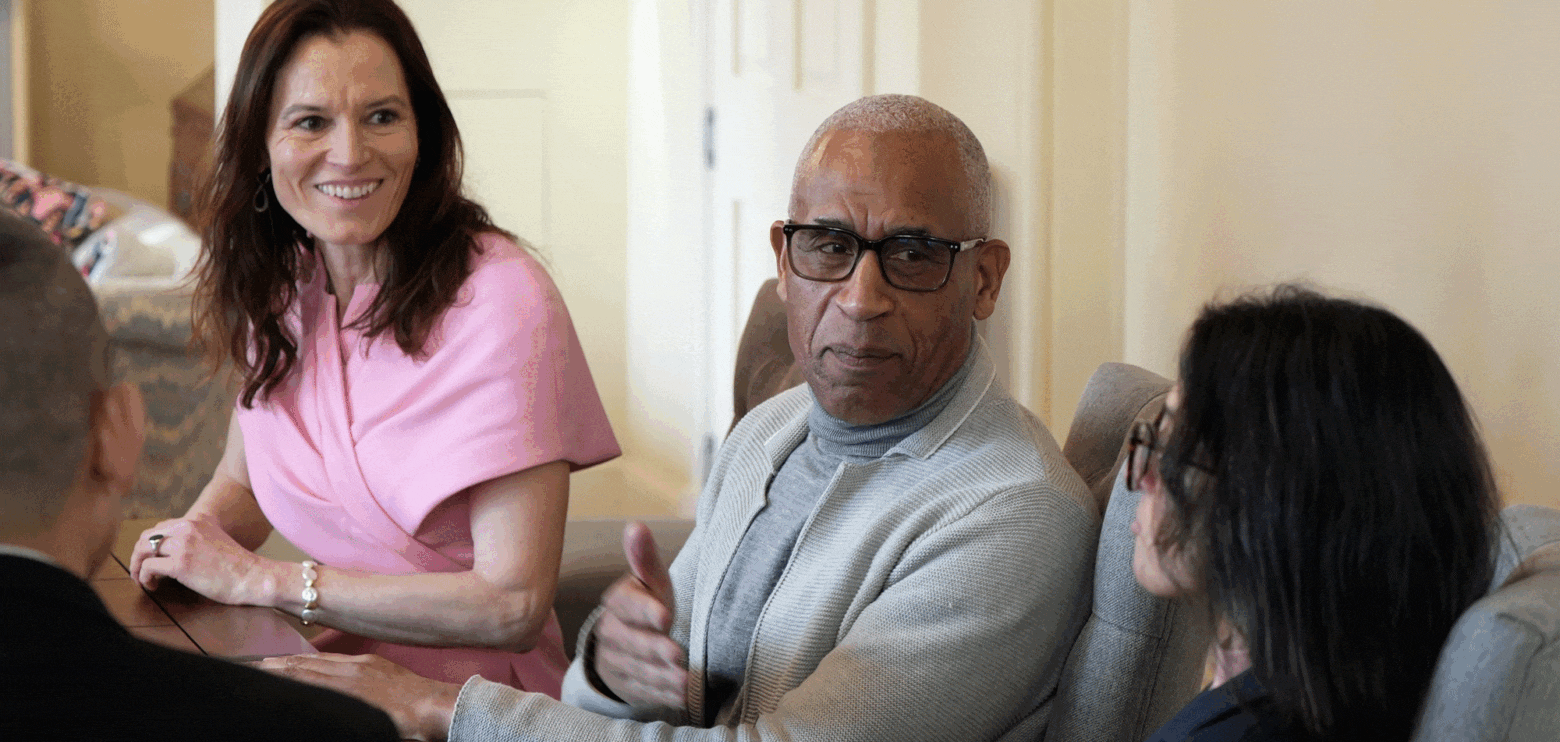
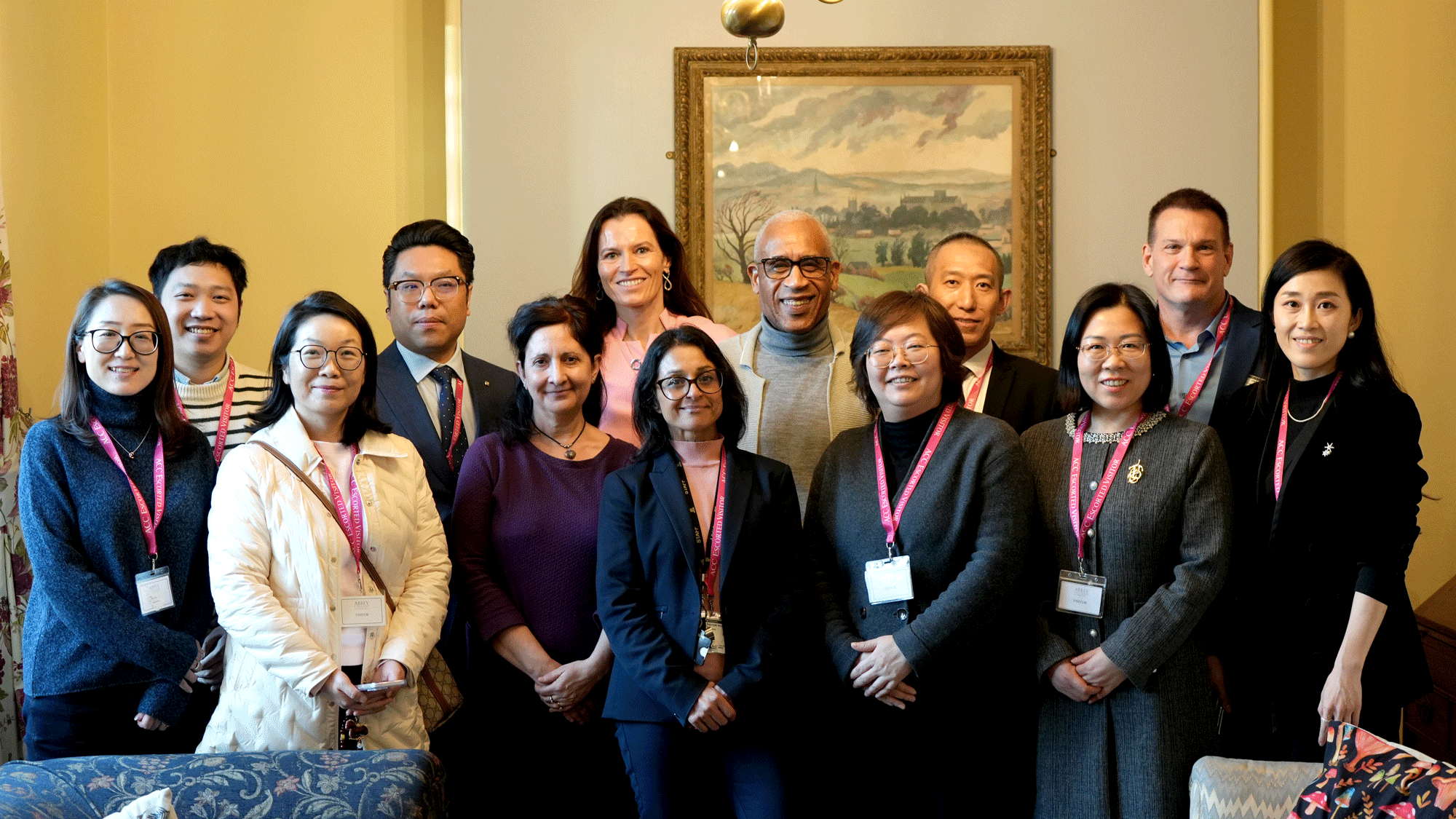
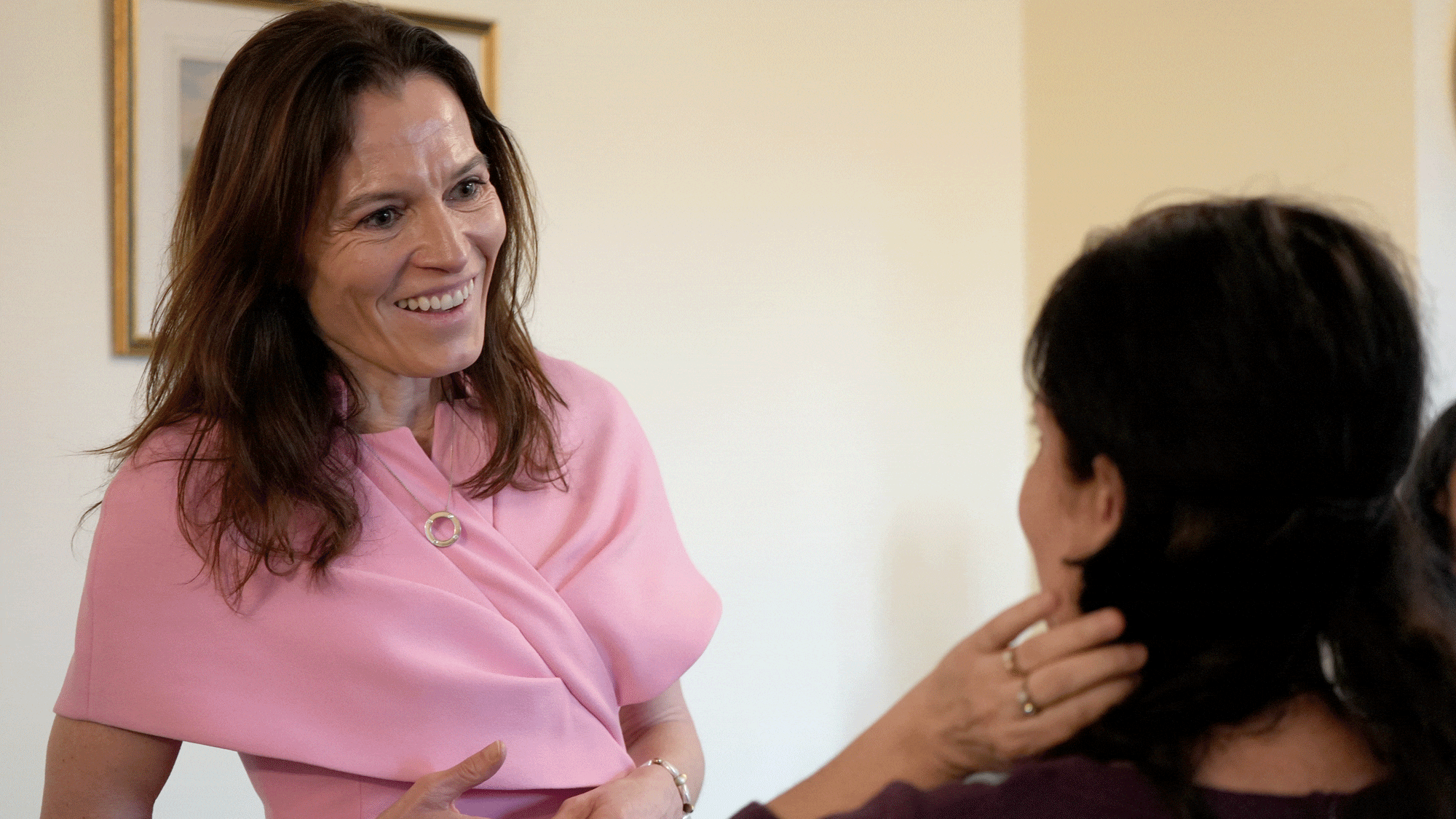
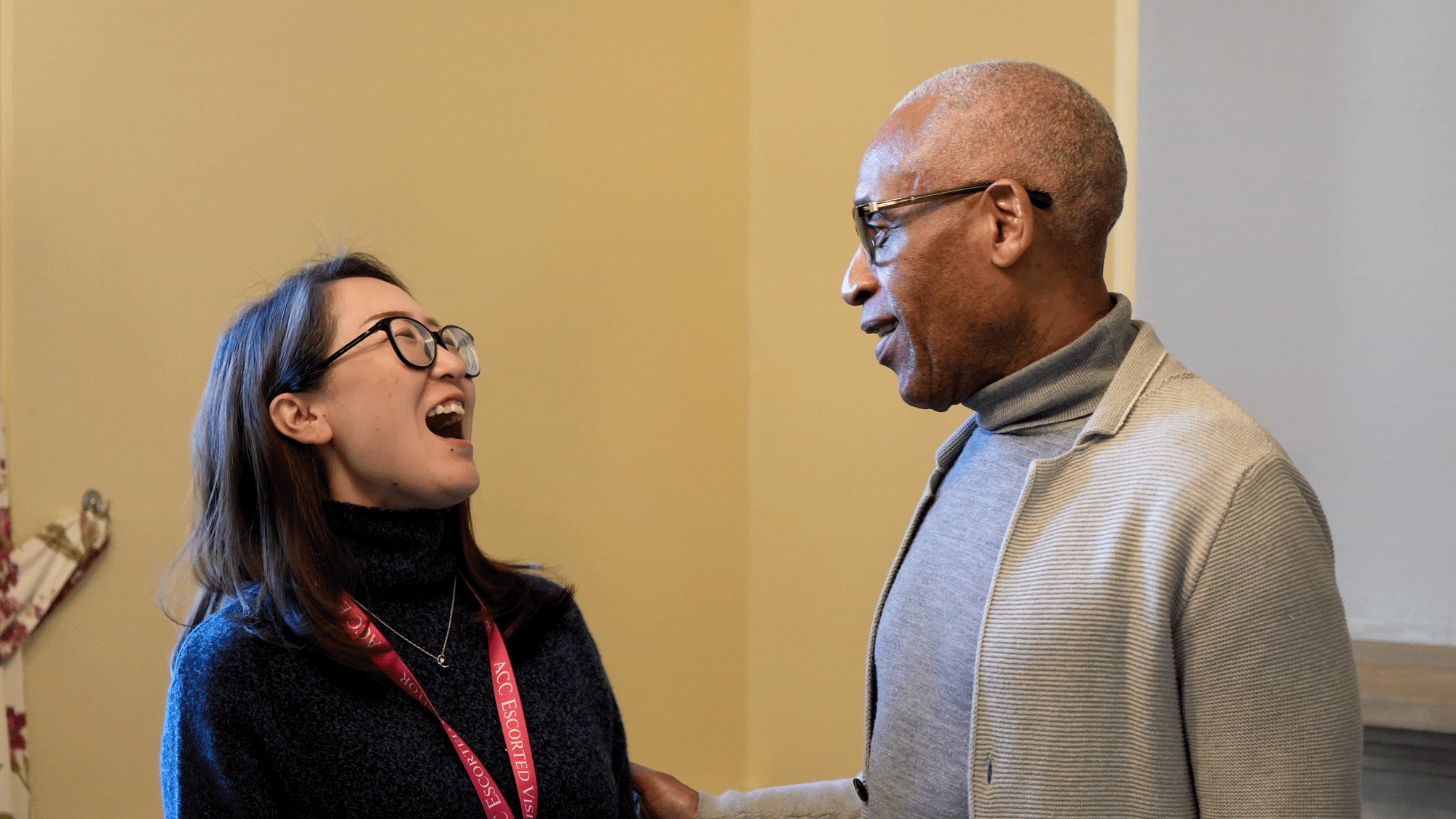
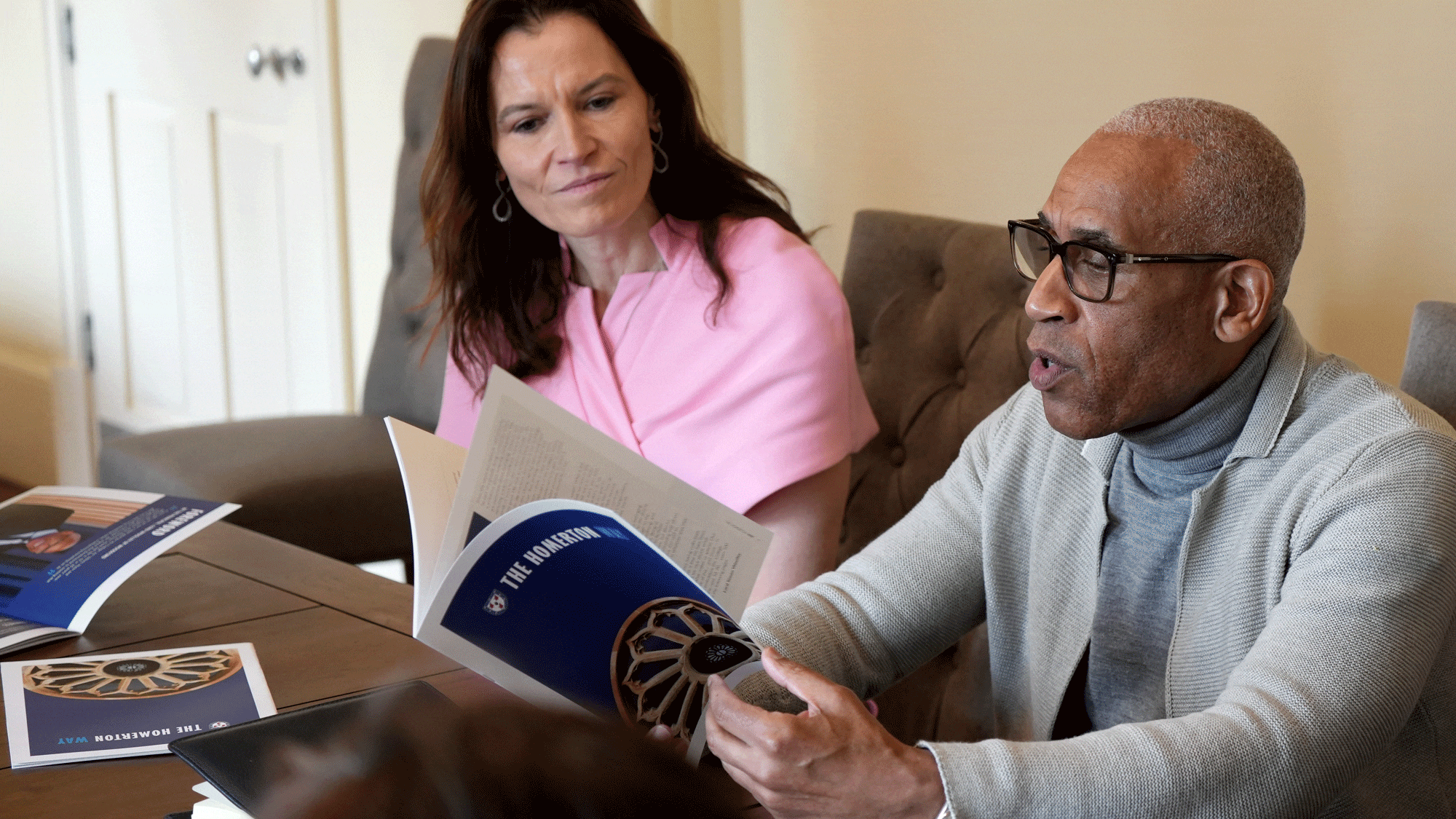
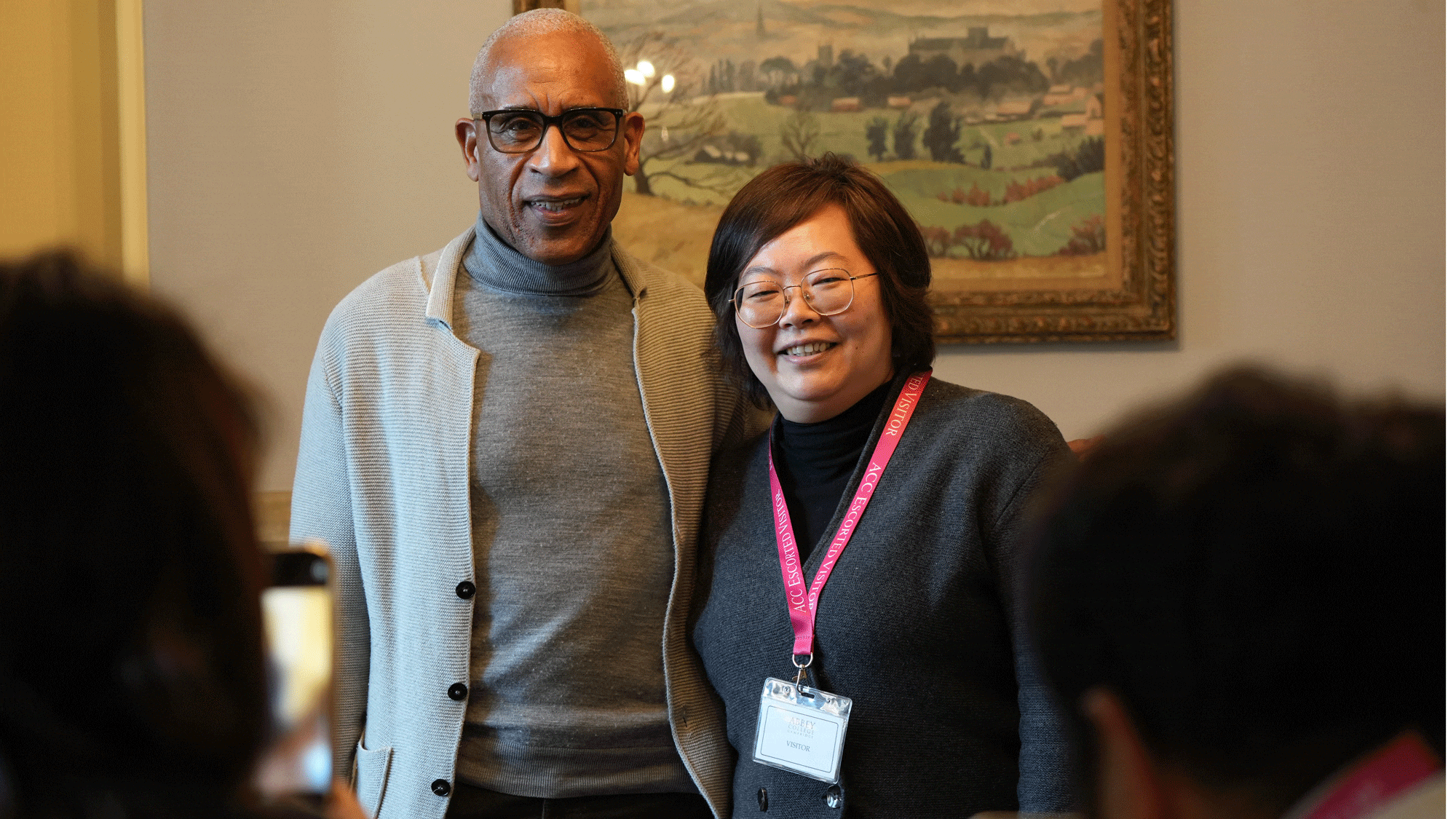
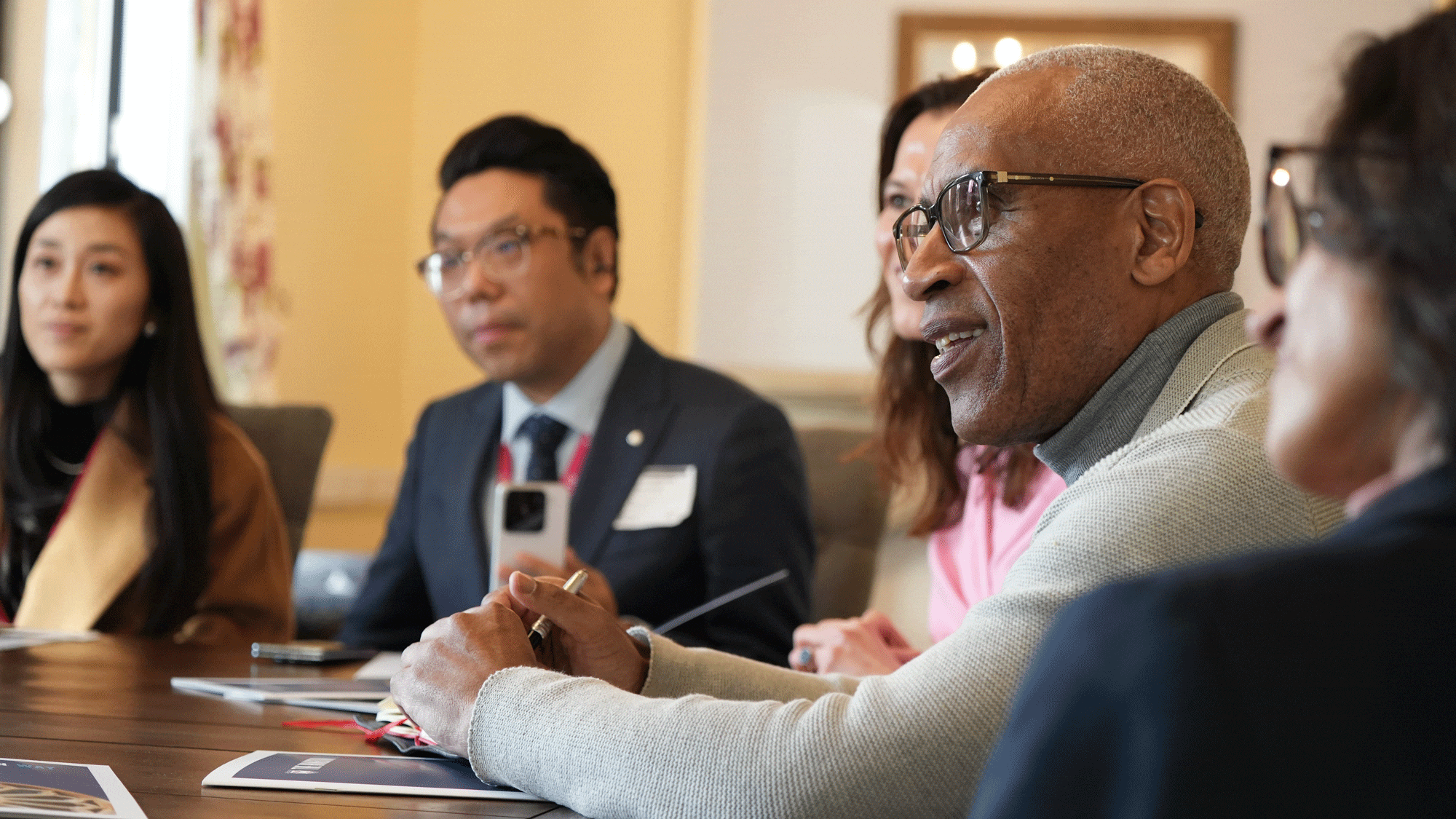
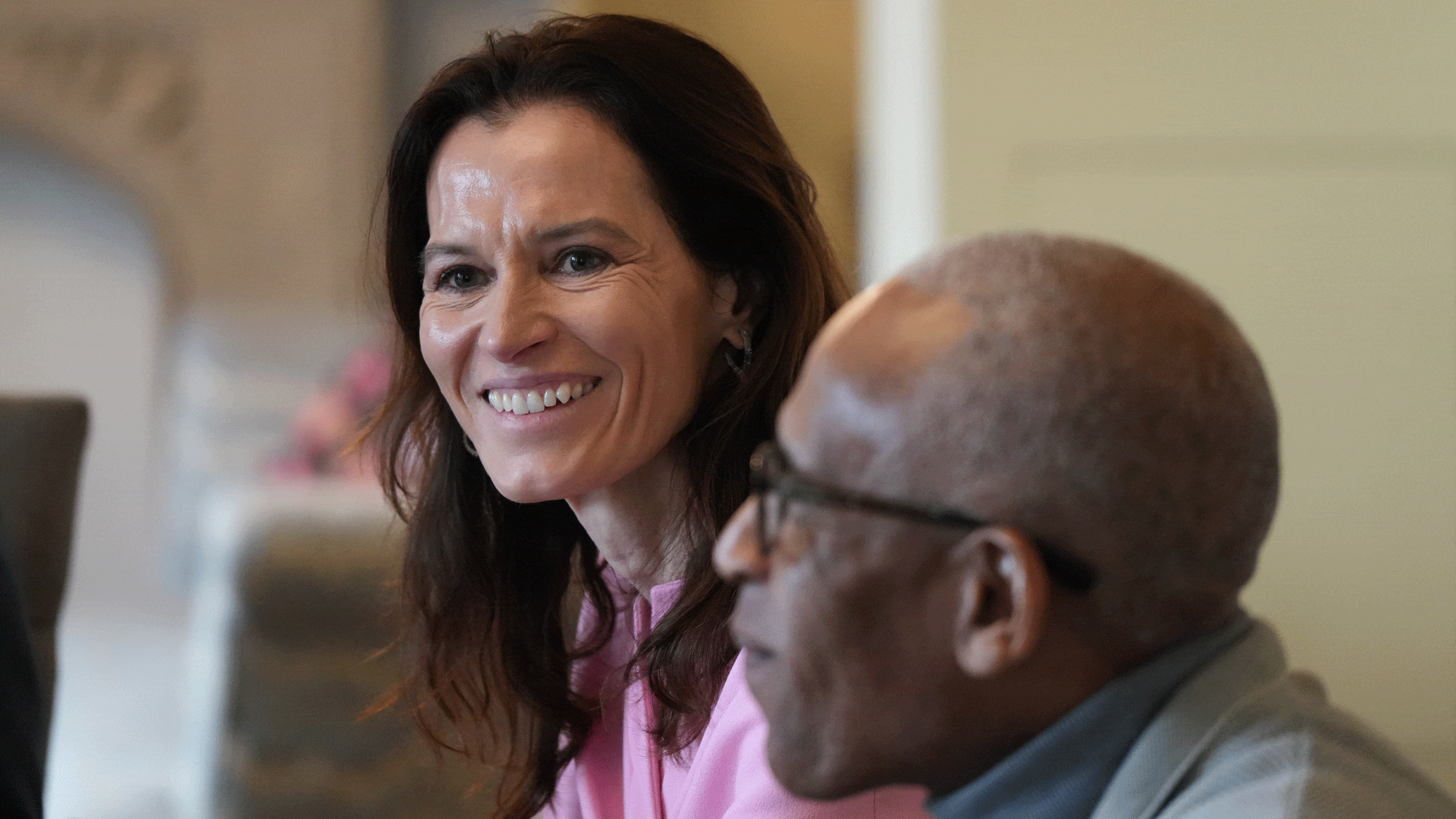
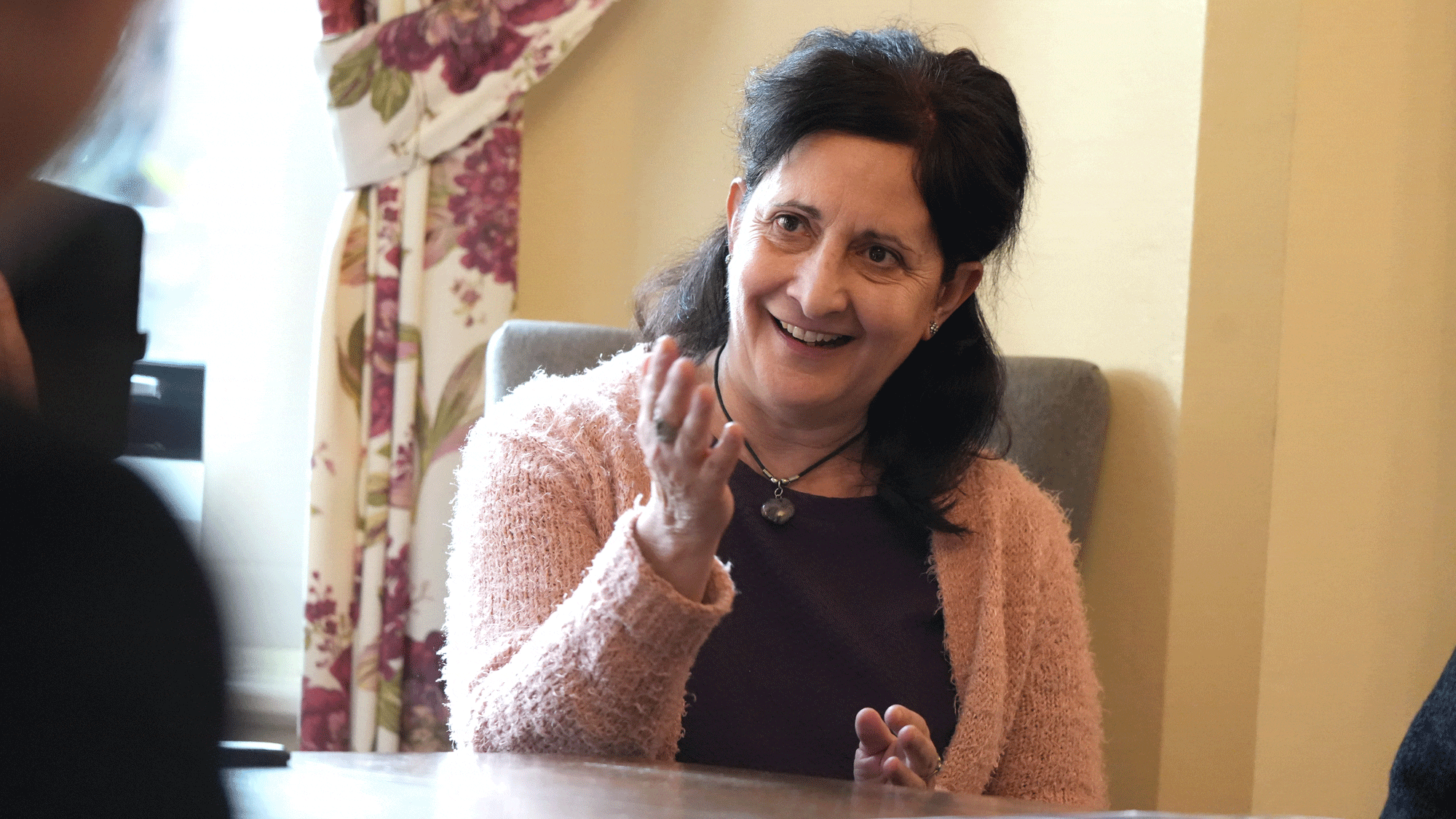
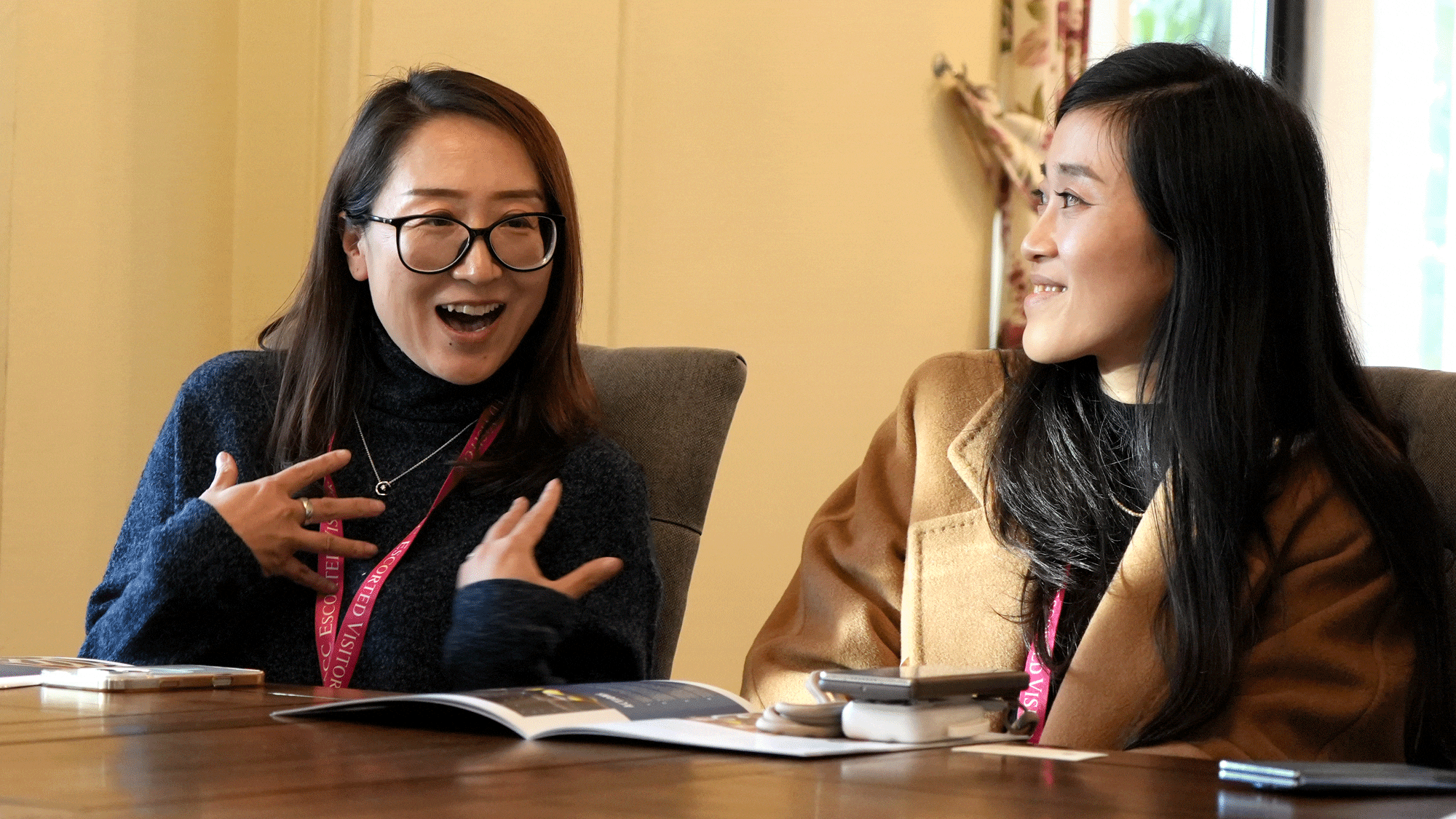
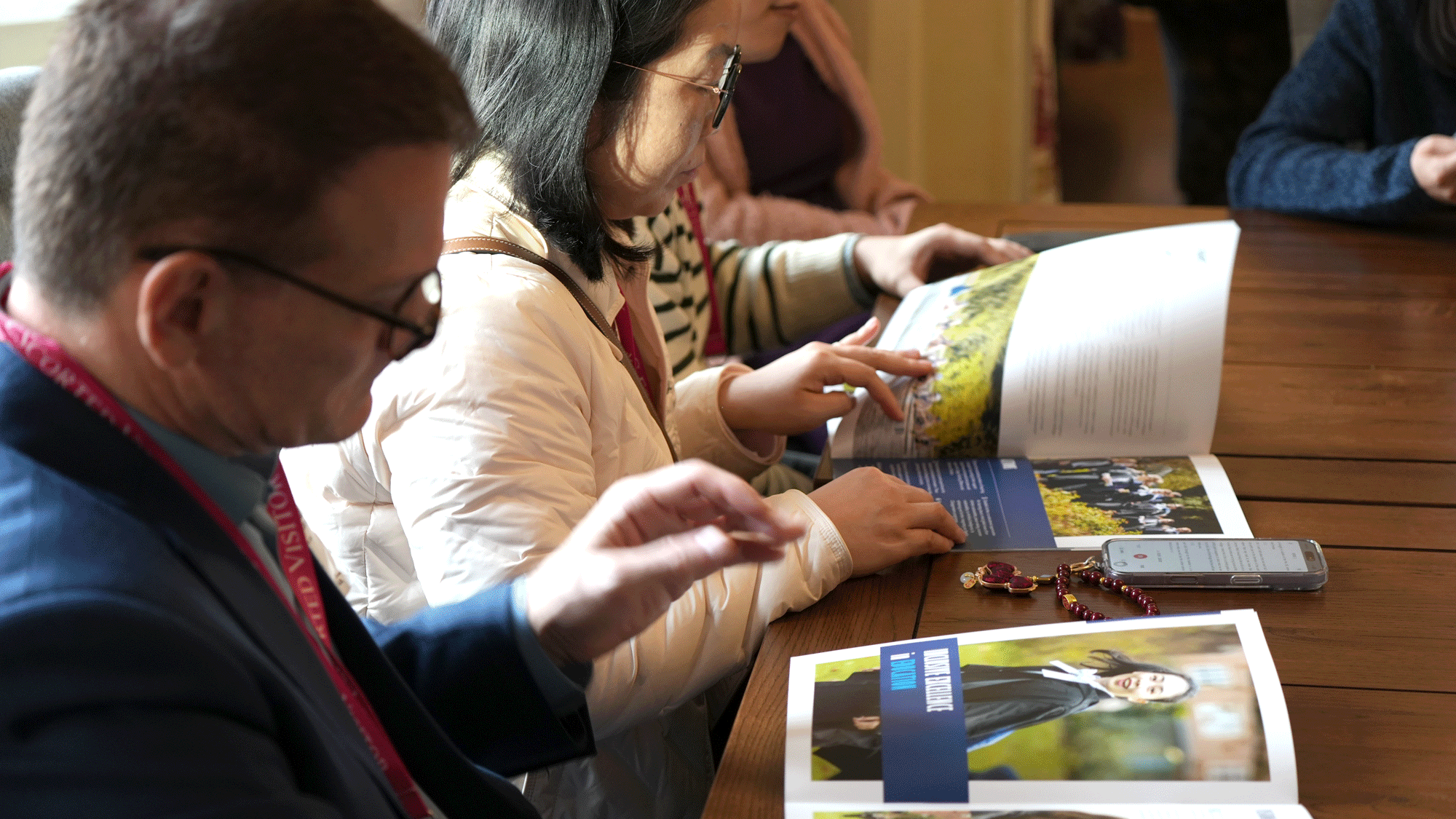
Ellen Hesse, Principal of Abbey College Cambridge, recently represented the College at Understanding Race Across Cultures, a round‑table event hosted by the University of Cambridge Judge Business School. Bringing together leaders from education, business and academia, the discussion explored how race is understood across different cultural contexts and what this means for organisations committed to inclusion and global citizenship.
A key theme that emerged from the event is that conversations about race are inherently complex and must remain ongoing. Understanding how race shapes lived experience requires not only inviting diverse voices to the table, but actively listening to them.
Across cultures, race is defined and experienced in different ways. For some communities, it is closely tied to physical characteristics; for others, it is interwoven with culture, community, religion or heritage. Crucially, race is also shaped by power, privilege and history. An identity that may confer social advantage in one context can create barriers in another.
Insights From Abbey College Cambridge Students
Before attending the event, Ellen explored these themes with Year 9 and Year 10 students at Abbey College Cambridge. Their reflections – shaped by a wide array of national, cultural and socio‑economic backgrounds – highlighted both celebration and challenge.
For many students, race is a source of individuality, pride and cultural richness. They described diversity as something that strengthens community and supports mutual learning.
However, several students from minority backgrounds also shared the harder reality: race can expose individuals to discrimination and shape day‑to‑day experiences in ways that are not always visible to others.
Understanding Intersections
The round‑table further explored how identity is influenced by the intersections of race, gender and LGBTQIA+ experience. These intersections are often unspoken, yet they shape visibility, belonging and personal safety across cultures.
For international schools like Abbey College Cambridge, such complexities are part of everyday life. Students may:
- come from countries where homosexuality is unlawful, yet encounter a school culture that promotes LGBTQIA+ inclusion
- arrive from strongly patriarchal contexts and have to adjust to a school led by a female Principal
- grow up in environments where certain ethnic groups are predominantly associated with domestic or service roles and must adapt to seeing highly qualified educators from those same groups in respected leadership and pastoral positions.
These contrasts can challenge deeply held assumptions, requiring sensitive guidance, open dialogue and consistent support.
Inclusion at Abbey College Cambridge
Abbey College Cambridge is regularly recognised for its harmonious, respectful and diverse community – an environment where students feel able to explore, understand and express their identities.
This culture does not emerge by accident. It is the result of:
- deliberate leadership,
- robust and meaningful Equality, Diversity and Inclusion (EDI) strategies, and
- daily actions that promote respect, empathy and understanding.
Leaders and educators must continually deepen their own understanding of EDI principles, challenge unconscious bias and model inclusive behaviour. Through this, schools create cultures that prepare young people to become open‑minded, globally aware and ethically responsible citizens.
Looking Ahead
The event highlighted that honest dialogue about race requires courage and a willingness to confront discomfort. At this moment in time, it is essential that organisations – especially educational institutions – take the lead in creating safe spaces where fairness is upheld, all voices are valued and inclusion acts as a unifying force.
As Ellen reflected, this is a pivotal moment to strengthen our commitment to cross‑cultural understanding, inclusive leadership and global citizenship. The responsibility is collective, and the opportunity – to shape a more equitable and compassionate future – is profound.