

Beyond the Grades: What It Really Takes to Get Into Medical School
9th April 26
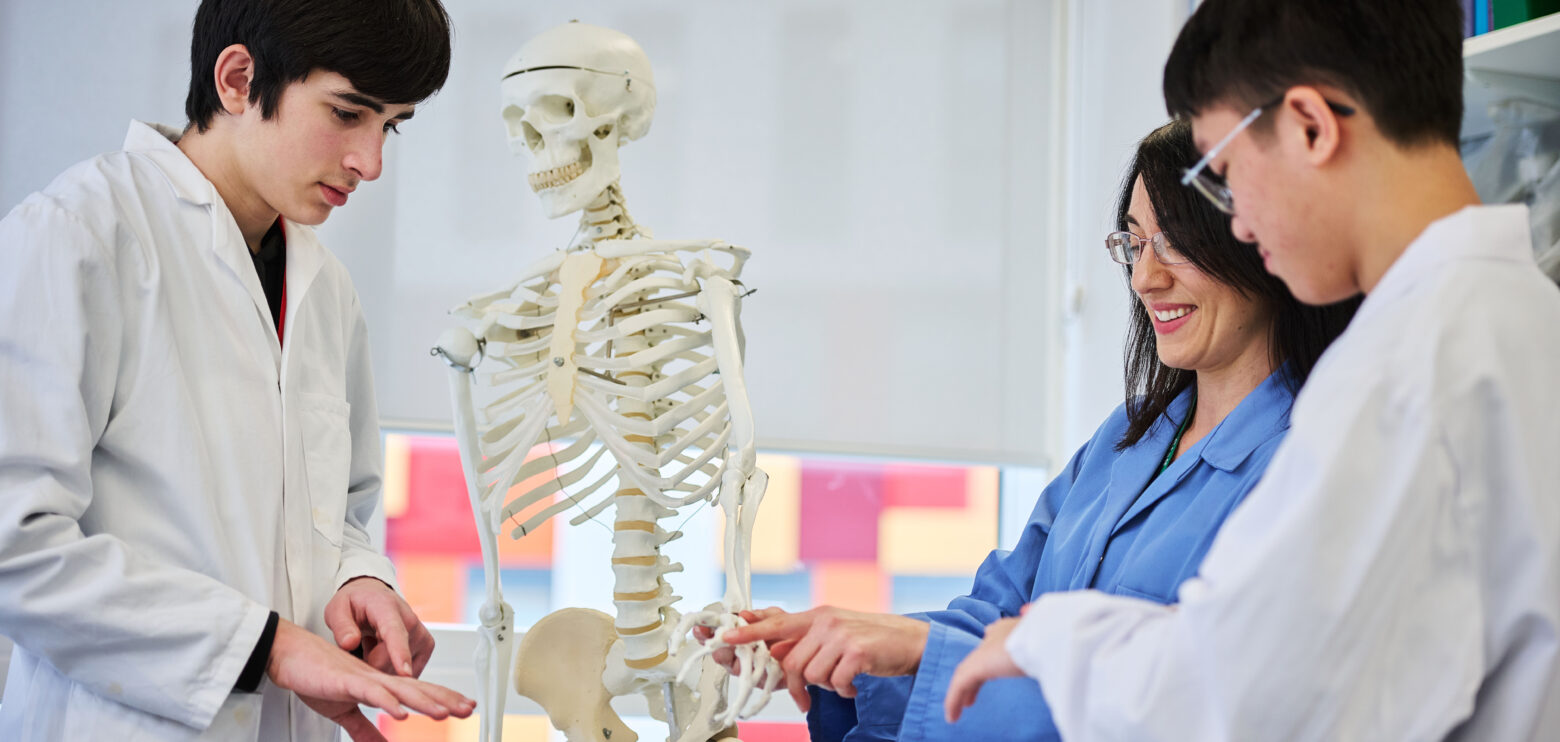
If you are thinking about studying medicine, you’ve probably already heard how competitive it is. Top grades are essential, but they’re only part of the story.
Today, medical schools across the UK are looking for much more than academic success. They want students who truly understand what a career in medicine involves; people who can think ethically, communicate clearly, and show real commitment to healthcare.
So what does it actually take to stand out?
It Starts Earlier Than You Think
One of the biggest mistakes students make is leaving their preparation too late. Building a strong medical school application isn’t something you can do in a few months. It takes time to develop your knowledge, experiences, and confidence.
That’s why early exposure to medicine is so important. Starting as early as Year 9 gives you the chance to explore whether medicine is really right for you, while gradually building the skills and insight universities expect.
It’s Not Just About Grades
Yes, you’ll need excellent GCSE and A Level results, but that alone won’t secure you an offer. Medical schools are looking for students who can:
- Clearly explain why they want to study medicine
- Show understanding of real healthcare environments
- Demonstrate ethical awareness and critical thinking
- Reflect on their experiences in a meaningful way
A Smarter Way to Prepare
A structured Medicine Preparation Programme can make a huge difference. Instead of trying to figure everything out on your own, you’ll follow a clear pathway that builds your skills step by step.
A strong programme typically includes:
- Personal statement support – helping you stand out to different universities
- Interview preparation – especially for Multiple Mini Interviews (MMIs)
- Medical ethics sessions – so you can confidently tackle complex questions
- UCAT preparation – integrated into your overall study plan
These aren’t just “extras”, they are essential parts of a successful application.
Real Experience Matters
Work experience is one of the most valuable parts of your journey, but it can also be one of the hardest to arrange.
The best preparation programmes actively support students in finding:
- Hospital shadowing opportunities
- Volunteering placements
- Online medical courses
- Research projects and presentations
These experiences don’t just strengthen your application, they help you understand what being a doctor is really like.

Building Confidence and Communication Skills
Medicine isn’t just academic—it’s about people.
That’s why developing your communication skills is so important. Presenting research, speaking in front of others, and discussing complex ideas all help you become a more confident and capable applicant (and future doctor).
Mock interviews are especially valuable here. Practising unfamiliar scenarios, and getting detailed feedback, can completely change how you perform in the real thing.
Taking Initiative Sets You Apart
Top applicants don’t just follow a programme, they go beyond it.
Getting involved in student-led projects, conferences, or discussions shows genuine curiosity and motivation. For example, exploring topics like AI in healthcare or current medical challenges demonstrates that you’re engaged with the future of medicine, not just the application process.
Different Routes Into Medicine
Not every student follows the same path and that’s okay.
For some, especially international students or those without traditional A Levels, foundation programmes can provide an alternative route into medical degrees. These programmes are designed to prepare you academically while also building the skills needed for university study.
Choosing the right pathway can open doors to a wide range of UK and global universities.
What Success Really Looks Like
Strong preparation leads to real results. Students who follow a structured, well-supported approach often achieve multiple offers across medicine, dentistry, and veterinary science.
But more importantly, they gain something bigger than offers:
- A clear understanding of medicine as a career
- Confidence in interviews and communication
- The skills needed to succeed long-term
What our students say:
“The Medicine Preparation Program greatly assisted with my application to Dentistry school in many ways. Notably, the opportunity to raise money for charity was truly beneficial as it gave me a lot of things to reflect on for my interviews and I really admired the fact that we were raising money for a charity that saves lives.
The research opportunities were also helpful because they allowed me to grasp a better understanding of the dental profession and I also got to practice my essay writing and presentation skills. The mock interview sessions were helpful as the more people I practiced with, the more I felt confident in my preparation for the actual interviews.” Negar – Former medicine student now studying Dentistry at The University of Dundee
Listen to Daniel talk about his experience
Final Thoughts
Getting into medical school isn’t just about being clever, it’s about being prepared.
By starting early, gaining real experience, and following a structured programme, you can build an application that truly stands out.
If you’re serious about medicine, the question isn’t just “Can I get the grades?”
It’s “Am I developing everything else that makes a great future doctor?”
Contact us now to discover how we can help with your medicine career aspirations